

Nervous About the Dentist? You Are Not Alone
Gum Disease: The Warning Signs Most People Ignore Recognize the Signs and Protect Your Gum Health
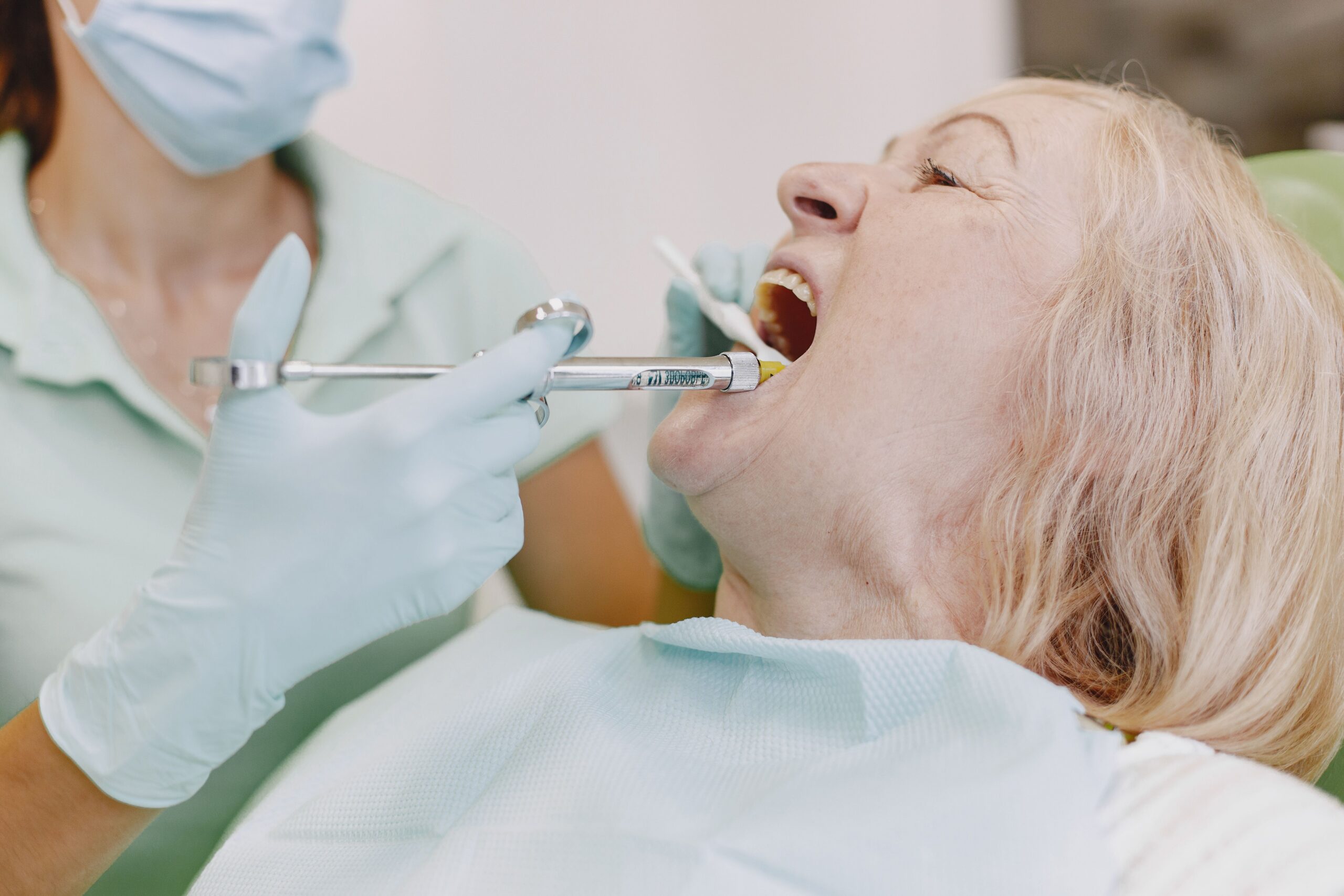
October tends to be a month when people think about what makes them uncomfortable. So let's talk about something that keeps millions of people from getting the dental care they need: dental anxiety.
Whether it is mild nervousness before an appointment or a fear strong enough to cause you to cancel visits entirely, dental anxiety is real, it is common, and it is something we take seriously.
The good news is that there are more options for managing it than most people realize.
How Common Is Dental Anxiety?
Very common. Studies consistently show that a significant portion of adults experience some level of anxiety about dental visits. A smaller percentage experience dental phobia, which is more intense and can lead to avoiding dental care for years.
Dental anxiety shows up in different ways. For some people it is general nervousness in the waiting room. For others it is a strong physical response to specific things, like the sound of the drill, the feeling of being reclined, or the loss of control that comes with opening your mouth.
None of these reactions are unusual. And they do not mean that dental care has to be a miserable experience.
Where Dental Anxiety Comes From
Understanding the roots of dental anxiety can help address it more effectively.
Past negative experiences are the most common source. If a childhood dental visit was painful, rushed, or frightening, that memory can shape how you feel about dental care for decades.
Fear of pain is closely related. Modern dentistry has changed a great deal, and most procedures with appropriate anesthesia are far more comfortable than people expect. But if your mental reference point is an older or unpleasant experience, the fear feels very real even when the situation has changed.
Feeling out of control during a dental appointment is a significant trigger for many people. You are in a chair, unable to speak easily, and someone is working in your mouth. For people who are already anxious, this setup can feel overwhelming.
Embarrassment about the condition of their teeth keeps some people away from the dentist for years. They worry about being judged for not coming in sooner or for the state of their oral health. We want to be clear: our job is to help, not to judge. The only thing that makes dental concerns harder to address is waiting longer.
Practical Strategies That Help
If dental anxiety is keeping you from making appointments, here are approaches that can make a real difference.
Tell us before your appointment. This is the single most useful step. When we know anxiety is a factor, we can adjust how we communicate, pace the appointment differently, take more frequent breaks, and use techniques that help you feel more in control. We cannot accommodate what we do not know about.
Bring something that helps you feel calm. Headphones with music or a podcast, a stress ball to hold, or sunglasses to block the overhead light can all reduce the sensory experience of an appointment in ways that are surprisingly effective.
Ask for explanations as we go. Some people feel better when they know exactly what is happening and what to expect next. Others prefer not to know the details. Tell us which approach helps you and we will follow your lead.
Establish a stop signal. Agreeing on a hand signal that means "pause immediately" gives you back a sense of control. Knowing you can stop at any point makes it easier to start.
Start with a simple visit. If you have been avoiding the dentist for a while, a cleaning or a consultation with no treatment planned can be a low-pressure way to rebuild comfort. Getting familiar with the environment and the team without any procedures involved is a meaningful first step.
Sedation Options for More Significant Anxiety
For patients whose anxiety makes even routine care very difficult, sedation dentistry offers additional options.
Nitrous oxide (laughing gas) is the most commonly used option. It is inhaled through a small mask and produces a relaxed, calm sensation within minutes. It wears off quickly and most patients can drive home afterward. It does not put you to sleep, but it significantly reduces anxiety and discomfort.
Oral sedation involves taking a prescribed medication before your appointment. You remain conscious but feel very relaxed. You will need someone to drive you to and from the office.
IV sedation is used for more complex situations and is administered by a trained professional. It produces a deeper level of sedation.
If you think sedation might help you, ask us. We can discuss which options are available and appropriate for your situation.
Taking Care of Yourself Means Taking Care of Your Teeth
Avoiding the dentist because of anxiety is understandable. But the longer care is delayed, the more likely small issues are to grow into larger ones, which can make future visits feel even more daunting. Getting ahead of problems while they are small is almost always a more comfortable and less expensive path.
We want every patient to feel respected, heard, and as comfortable as possible. That is not just something we say. It shapes how we approach every appointment.
Ready to Try Again?
If dental anxiety has kept you away, we would love to hear from you before you even schedule. A short conversation about your concerns can help us find an approach that works for you.
Call us or send a message. We are here to make this easier.